
What Causes Gas Line Leaks in Homes?
People searching for gas line leak repair are usually trying to fix dangerous leaks caused by corrosion, damage, or aging, and local service providers can safely handle the repairs.
Understanding what causes gas line leaks in homes is essential for property owners who want to maintain a safe and reliable living environment. Gas lines are a vital part of many homes’ heating and appliance systems, but they can develop leaks due to a variety of factors, including aging pipes, corrosion, ground shifting, or accidental damage during renovations or landscaping. Recognizing these common causes helps homeowners stay alert to potential issues before they become serious problems, and it highlights the importance of professional services that specialize in gas line leak repair.
For residents in the area, exploring this topic can be particularly practical, especially if they’ve experienced recent construction, notice a smell of gas, or want to ensure their home’s safety standards are maintained. Local contractors who handle gas line leak repair are equipped to diagnose the root causes of leaks and address them safely and effectively. Keeping informed about what causes gas line leaks in homes can empower property owners to take proactive steps, and it encourages timely assistance from qualified service providers when needed.
- Gas line inspection - homeowners noticing hissing sounds or suspected leaks may need local pros to perform thorough inspections to identify potential issues.
- Gas line repair - when corrosion or damage from ground movement is detected, local contractors can handle repairs to prevent leaks.
- Gas line replacement - aging or severely damaged piping may require professional replacement services to ensure safety and code compliance.
- Leak detection services - if odor or gas buildup is present, local pros can locate leaks accurately using specialized equipment.
- Corrosion mitigation - areas with high moisture or soil acidity may cause pipe deterioration, and local experts can implement solutions to reduce leak risks.
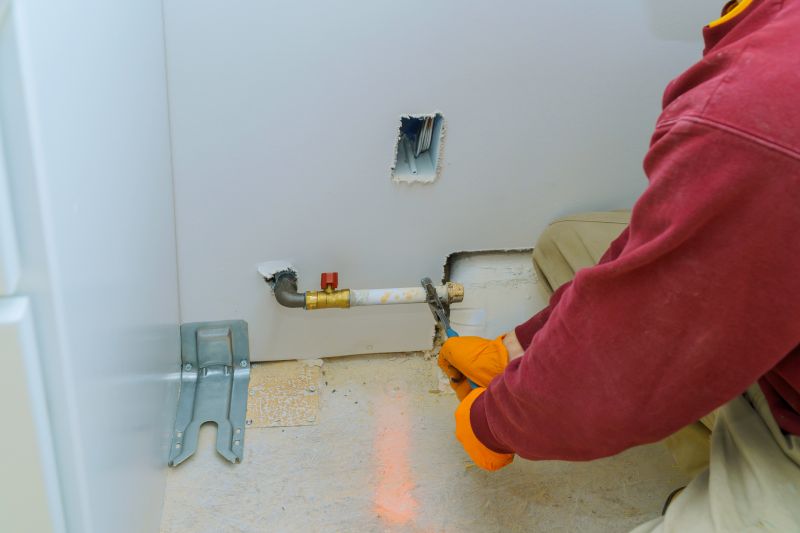
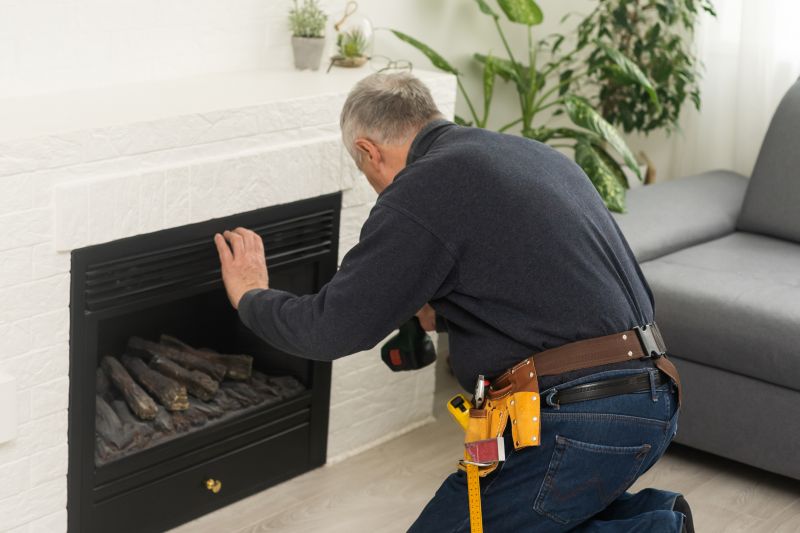
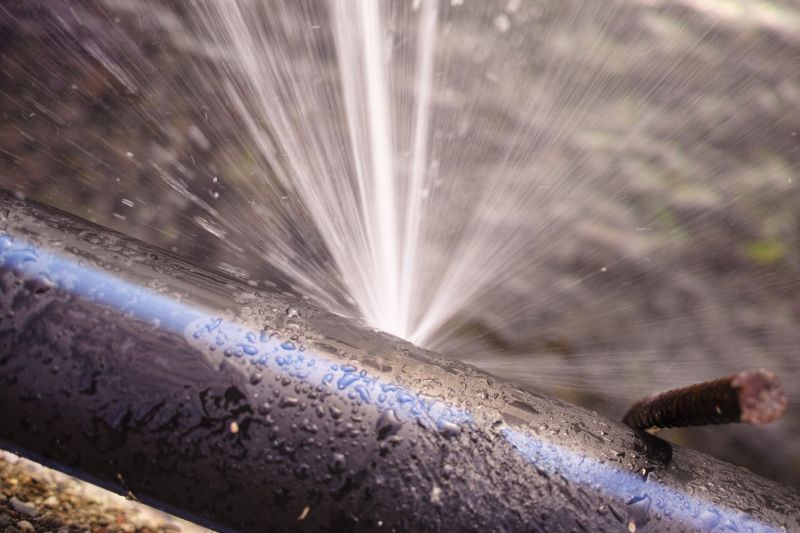
Understanding what causes gas line leaks in homes is a common concern among homeowners, especially those experiencing or worried about potential gas odors or safety issues. When people search for this topic, they are often trying to identify the root causes behind sudden or persistent gas smells, which can indicate a leak. Such searches relate to problems like deteriorating pipes, accidental damage during renovations, or aging infrastructure that may compromise the integrity of the gas lines. Homeowners may also be exploring plans for repairs or upgrades to ensure safety, or they might be seeking advice on preventative measures to avoid future leaks. Recognizing the causes helps in making informed decisions about when to involve professional service providers who specialize in gas line repair and maintenance.
Gas line leaks can stem from a variety of factors related to the property's age, construction, and usage. Common causes include corrosion of metal pipes over time, which weakens the material and creates openings for gas to escape. Physical damage from nearby excavation, landscaping, or DIY renovations can also puncture or crack gas lines. Additionally, improper installation or connections during initial setup may develop leaks as the fittings loosen or degrade. Environmental factors like ground shifting or soil erosion can stress underground pipes, leading to leaks. Understanding these causes helps homeowners recognize the importance of regular inspections and prompt repairs, which local contractors experienced in gas line leak repair can provide to maintain safety and compliance.
The types of properties most affected by gas line leaks tend to be older homes with outdated infrastructure, but leaks can occur in newer buildings as well. Single-family homes, especially those with underground or exposed gas piping, are common sites for leaks caused by corrosion or accidental damage. Multi-family residences, such as apartment complexes or condominiums, may experience leaks due to shared infrastructure or construction activity nearby. Commercial properties that rely on gas for heating or cooking equipment can also be vulnerable if their piping system develops issues. Regardless of property type, the risk factors often relate to the age, construction quality, and maintenance history of the gas lines. Local service providers who specialize in gas line leak repair are equipped to assess and address these issues across various property types, helping homeowners and property managers ensure safety and compliance.
For homeowners concerned about what causes gas line leaks in homes, understanding how local contractors fit into the picture is essential. These service providers perform thorough inspections to identify the source and extent of leaks, whether caused by corrosion, damage, or installation issues. They can recommend appropriate repair or replacement solutions tailored to the specific property and its infrastructure. Engaging with experienced local pros ensures that leaks are handled efficiently and safely, reducing the risk of hazardous situations. Since gas line issues can be complex and potentially dangerous, relying on qualified professionals is a practical step toward maintaining a safe living environment. Connecting with reputable local contractors provides peace of mind, knowing that experienced experts are available to address these critical concerns effectively.
Gas line installation projects involve planning and executing the setup of new gas piping systems, requiring knowledge of proper materials and techniques similar to leak repair work.
Pipe replacement services focus on removing aging or damaged piping, which aligns with fixing leaks caused by corrosion or wear in gas lines.
Plumbing repair projects often address issues with gas and water lines, sharing skills in pipe fitting, leak detection, and system troubleshooting.
Gas appliance installation requires understanding of gas connections and safety protocols, which complements skills used in identifying causes of gas line leaks.
Leak detection services specialize in locating hidden leaks in various piping systems, making their expertise relevant to gas line leak issues.
Corrosion control projects involve applying protective measures to piping, a key aspect in preventing gas line leaks from corrosion-related damage.
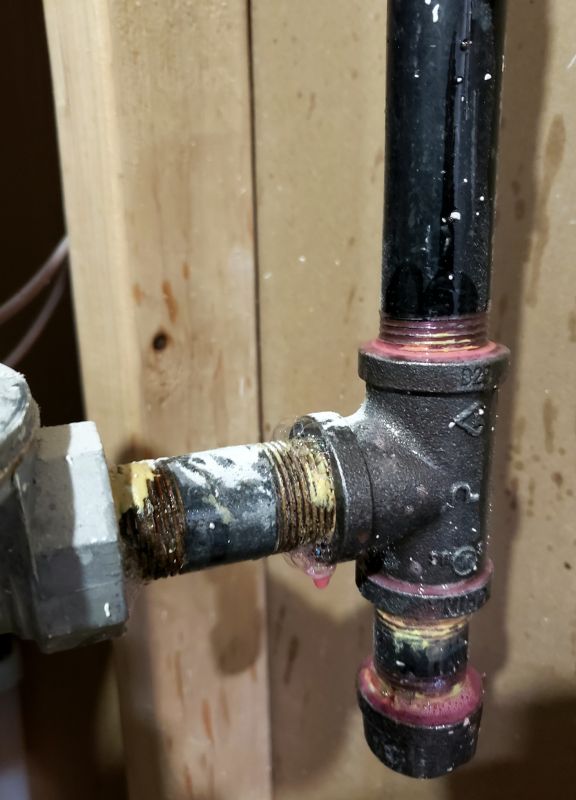
When comparing service providers for gas line leak repair, it is important to consider their experience with similar projects. Homeowners should seek out local contractors who have a proven track record of handling gas line issues, particularly those related to leaks caused by corrosion, improper installation, age, or external damage. An experienced professional will understand the common causes of gas line leaks in homes and be better equipped to diagnose and address the problem efficiently and safely. Checking how long a contractor has been working on gas line repairs and whether they have dealt with situations similar to the homeowner’s can provide insight into their familiarity with potential challenges that may arise.
Clear communication and well-defined written expectations are essential when selecting a service provider for gas line leak repairs. Homeowners should look for local contractors who can clearly explain the nature of the problem, outline the steps involved in the repair process, and provide an understanding of what to expect during and after the service. Having detailed, written estimates or work plans helps ensure that both parties are aligned on the scope of work, costs, and any necessary follow-up. This transparency can help prevent misunderstandings and ensure that the repair process proceeds smoothly.
Reputable references and a reputation for good communication are also key factors in choosing a reliable service provider. Homeowners can ask for recommendations or reviews from previous clients to gauge the quality of work and customer service. A contractor who communicates effectively, responds promptly to questions, and provides honest information can make the process of addressing gas line leaks less stressful. Taking the time to verify references and assess how well a local contractor communicates can help ensure that the chosen professional is capable of managing the repair safely and efficiently, ultimately providing peace of mind during a potentially urgent situation.
Property owners often search for what causes gas line leaks in homes? when they are planning practical projects around their homes and businesses. Local pros provide Gas Line Leak Repair services for everyday jobs and straightforward project options.
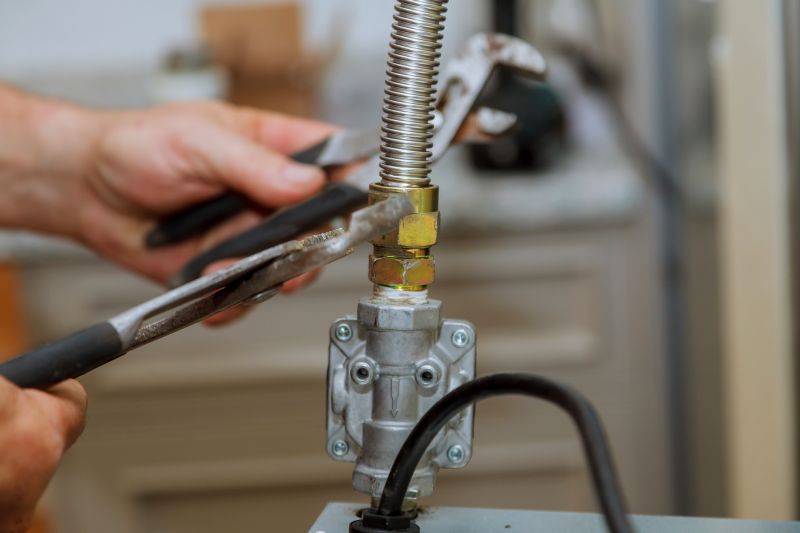
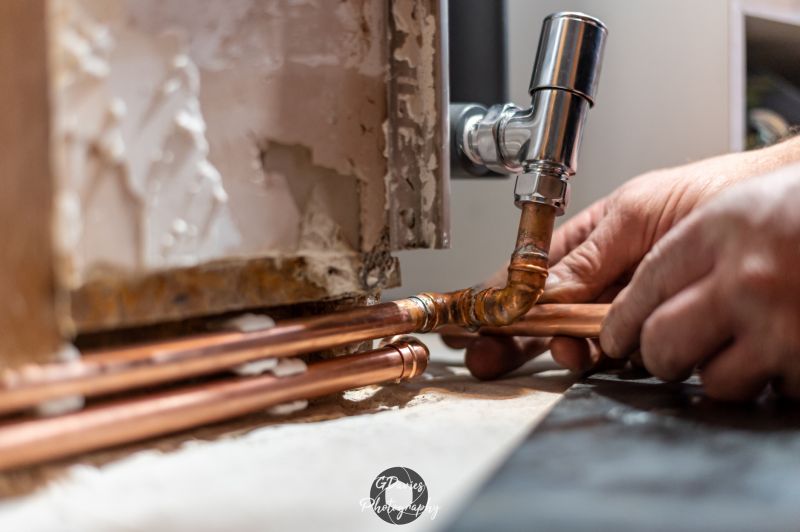
Understanding what causes gas line leaks in homes can help property owners identify potential issues before they become serious hazards. Common causes include aging pipes that weaken over time, accidental damage during nearby construction or renovations, and corrosion from exposure to moisture or other environmental factors. Additionally, improper installation or alterations to the gas lines can create vulnerabilities, increasing the risk of leaks. Homeowners often seek advice on this topic when noticing the smell of gas, hissing sounds near appliances, or unexplained increases in utility bills, prompting them to explore repair options offered by local contractors.
When gas line leaks are suspected, it’s important to have a professional assessment and repair performed by experienced service providers. Local contractors can inspect the integrity of the existing gas lines, identify the root cause of the leak, and recommend the appropriate repair or replacement solutions. Addressing issues promptly helps ensure safety and prevents further damage or potential hazards. Property owners looking into gas line leak repair services should consider reaching out to trusted local experts who specialize in diagnosing and fixing these types of problems efficiently and reliably.
What causes gas line leaks in homes? Gas line leaks can occur due to corrosion, physical damage, improper installation, or aging pipes that weaken over time, increasing the risk of leaks. Local contractors can assess and repair these issues to ensure safety.
How does corrosion lead to gas line leaks? Corrosion from moisture and environmental factors can weaken metal pipes, causing small holes or cracks that result in leaks. Professional repair services can replace or treat corroded sections to prevent hazards.
Can physical damage cause gas line leaks? Yes, accidental impacts from construction, digging, or shifting soil can crack or puncture gas lines, leading to leaks. Experienced service providers can identify and fix damaged pipes safely.
What role does improper installation play in gas line leaks? Incorrect fitting, poor connections, or substandard materials during installation can create vulnerabilities that eventually leak. Skilled local contractors can ensure proper setup and repairs.
Are aging pipes more prone to leaks? Over time, pipes can deteriorate, crack, or develop corrosion, increasing the likelihood of leaks. Regular inspections and professional repairs help maintain gas line integrity.
Corrosion and Rust - Property owners can learn how corrosion impacts gas lines and consider preventative measures, with local contractors providing corrosion repair services.
Improper Installation - Recognizing signs of poor installation can prompt property owners to have experienced local service providers evaluate and repair gas lines safely.
Aging Infrastructure - As gas lines age, leaks become more likely; property owners can schedule regular inspections with local contractors to address potential issues early.
If you are thinking about what causes gas line leaks in homes? for a property, this guide is meant to help you understand this topic, the typical project types, and how different options might fit your plans.
When you are ready, you can use the quote form on this page to share a few details about your project. From there, local pros can review the basics and follow up with options that match what you have in mind.